Showing posts with label prosecco. Show all posts

Thursday, May 16, 2019

Naked Vine Double Barrel: A Pair of Prosecco

Not long ago, I spent a very enjoyable afternoon with my Wizardly brother-from-another-mother and his lovely wife, the Breaker of Chains. They'd been in the market for some new furniture -- and when it arrived, I popped by their place to help them do a little interior redecorating.

Since it was mid-afternoon and any sort of design work goes better with alcohol, I brought along a couple of bottles of Prosecco to sample side-by-side. After all, a new comfy sofa is a perfect excuse to crack some bubbly, no?

Prosecco, and sparkling wine in general, has been on a bit of a domestic tear over the last several years. Once largely a celebratory bottle, sparkling wine's showing up as an "ordinary day" beverage more often, driven in a great part by Millennials embracing bubbly. (Since sparkling wine goes wonderfully with anything fatty, avocado toast is a great Prosecco pairing.)

Prosecco has led the way in driving this sales increase, eating into the market share of both Cava from Spain and many domestic sparklers. Sales of the stuff were up almost 25% in 2018, and that trend seems to be holding.

What is Prosecco? To nod at the last couple of columns here, Prosecco is an Italian wine region not far from Venice. For many years, however, the grape from which the wine is made was also referred to, somewhat incorrectly, as Prosecco. The proper varietal name, Glera, is now the primary referent.

Like most sparkling wines, Prosecco can be produced in any number of styles -- from dry to sweet -- based on the amount of residual sugar left after fermentation. There's no need to guess about the level of sweetness. You'll see one of these terms, from driest to sweetest, on the label:

Brut, Extra Dry, Dry, Demi-Sec.
Yes, you're reading that correctly -- Extra Dry is slightly sweeter than Brut.

Extra Dry and Brut are the most common styles, and those were the bottles that I brought over for our little design session. We had these to sample:

Tenuta Sant'Anna Prosecco DOC Extra Dry
Bacio Della Luna Prosecco DOC Brut

We tried them side-by-side, first on their own and then as the backbone of mimosas.

The Tenuta was a very easy-drinking bubbly, full of peaches and pears. The Bacio leaned more in a apple and peach direction. On their own, we all preferred the Bacio for its crispness and its more pronounced flavors. "The sparkle makes the flavor really pop," noted the BoC.

As for making mimosas, and I find this to be true with almost all sparkling wine, the extra dry version tends to make for a better balanced cocktail. That little bit of residual sweetness allows the various flavors in a cocktail a little more of a platform to strut their stuff. I thought the Tenuta also would have been a particularly strong choice if you're a summertime chugger of Aperol Spritzes.

You should be able to find either of these wines for just north of $15. Either of them should take care of your bubbly needs nicely.


Thursday, March 14, 2019

Naked Vine One-Hitter: Bubbly Cocktails for Spring with Zonin Prosecco

Ladies and gentlemen, pardon the long winter hibernation. There’s a lot happening on the home front here at Vine HQ, which I’ll catch all y’all up on before too long.

In the meantime, however, the Wine Fairy dropped a bottle off at the door which, if you’ve been around here awhile, you’ll probably recognize: Zonin “Cuvee 1821” Prosecco Brut.

This particular sparkler’s shown up here from time to time over the years, and it’s a consistently solid performer, especially at an ~$13 price point. On its own, it’s is on the dry-but-fruity side. I found it had a gentle, blossomy nose of apples and pineapples. Green apple and lemon flavors on the palate are balanced with a touch of almond and a zippy acidity. The finish is fruity, with more of those pineapples lingering at the end.

Thankfully, spring is just around the corner – and Prosecco, while a year ‘round beverage, has a warm season flavor to me. This winter, I’ve been grooving on cocktail making – and with the bulk of this bottle to work with, I decided to try mixing up a couple of springtime drinks with the stuff I have around, using the Zonin as a base.

First off, there’s the good old Aperol Spritz, the warm weather champ which I’ve written about before:

3 oz. Prosecco 
2 oz. Aperol
1 oz. club soda

The classic sunshine beverage. Pour the Aperol into a wine glass filled with ice, top with Prosecco and top with the club soda. Garnish with an orange wheel. The sweet/bitter flavors play off each other in a particularly refreshing way.

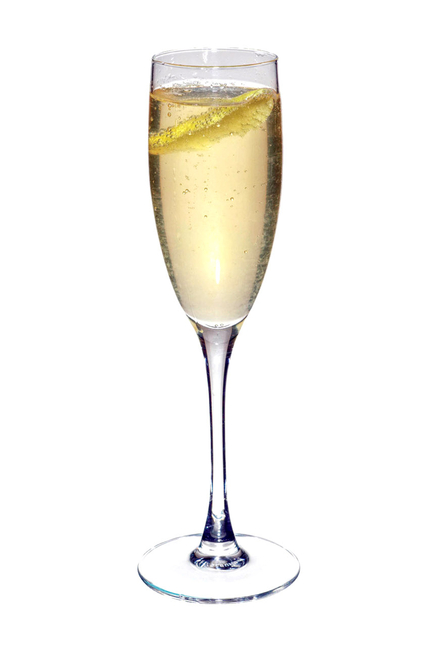
Moving on a bit, there’s the breath of springtime that is the French 77.

2 oz. Prosecco
1 ½ oz. Gin
¾ oz. Elderflower liqueur (like St. Germain)
½ oz. lemon juice

Mix the gin, elderflower, and lemon juice in a shaker with ice. Shake vigorously and strain into a coupe glass. Add the prosecco and a lemon twist. Drop the twist into the drink and enjoy the lovely fragrances.

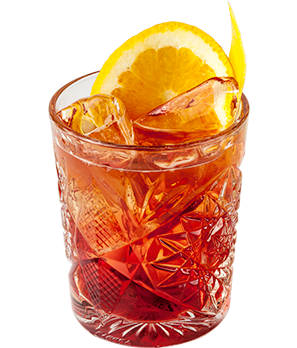
Sticking with gin here, if you’re a fan of a Negroni, but you’re hoping for something with a little more sparkle, try this take – the Sbagliato (which means “bungled” in Italian)

1 ½ oz. sweet vermouth
1 ½ oz. Campari
1 ½ oz. Prosecco

In a rocks glass filled with ice, add the vermouth and Campari and stir. Add the Prosecco and stir again. Sip and enjoy.


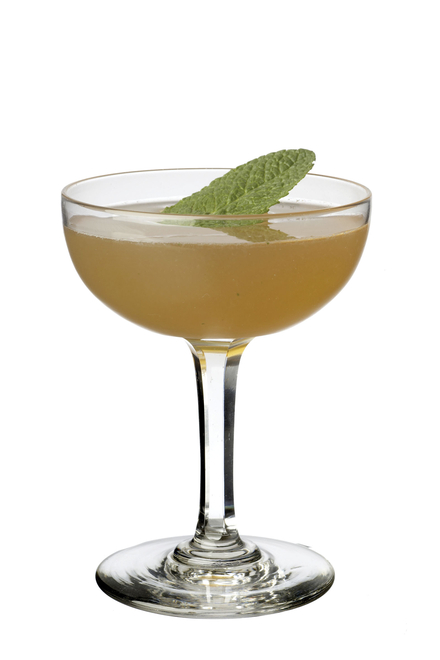
Finally, if you’re a fan of aged rums, this riff on the Old Cuban is a crowdpleaser, especially on nights where the springtime temps can still drop:

1 tablespoon honey
1 tablespoon water
1 ½ oz. dark rum
¾ oz. lime juice
1 ½ oz. Prosecco
Angostura bitters and a mint leaf for garnish

Combine the honey and water in a small glass bowl and microwave for 15 seconds. Stir to combine. Let cool.

Add the honey syrup, rum, and lime juice to a shaker with ice. Shake for 15-20 seconds. Strain into a martini or coupe glass. Top with Prosecco, then a dash of bitters and the mint leaf.

Enjoy!

Saturday, June 09, 2018

Bubbles to Beat the Brunch Backlash


I casually peruse food articles, as you might guess. One emerging set of hot takes seems to revolve around brunch. Specifically, that brunch sucks.

It’s all the same – just dressed up eggs and bacon, they say. Starchy home fries lead to long afternoon naps, crushing the productivity we’re supposed to be chasing in this crazy, overly plugged-in world of ours. Anthony Bourdain, in his initial New Yorker article that eventually became Kitchen Confidential, said chefs hate brunch. (May all your steaks be rare on the other side, Tony…rest in calm and light…)

I don’t subscribe to that point of view, myself. I’m still personally a big brunch fan, although I’m not a huge fan of what many brunches have *become* -- waiting for hours in line for quickly prepared slot machine meals from some new, trendy locale. Bottomless mimosas amped with triple sec and double vodka bloody mary bars to accelerate the food coma.

No, what I enjoy about brunch is the pace. Late enough timeframe for sleeping in, slowly letting consciousness return from whatever you might have been up to the night before. And a little hair of the dog – but not too much. I prefer having a brunch that refreshes – so I tend to stay away from, the heavy, greasy food -- and along with that, I stay away from the mixed drinks. They tend to go down too quickly, so I stick to relatively low-alcohol sparkling wine.

Some of the more popular brunch sparklers tend to be Italian. For most people, there will be two basic schools of thought about noontime bubbles, Moscato and Prosecco.

Moscato, born in the Piedmont region, is a sweet, fruity wine made from the Muscat grape. Easy to drink, Moscato is the fastest-growing style of wine in the United States, driven in part by a great deal of love from the hip-hop community. Moscato like this one are slightly fizzy – a style called “frizzante” in Italian.

The Moscato I sampled was the Castello del Poggio Moscato. Starting with a floral nose of honey, pineapple, and blossoms, my note after taking my first sip reads, “This is like eating a peach.” After a mite more reflection for detail, I thought it’s an initially weighty wine. Peaches and honey are the primary flavors, cut through by a slight effervescence. The finish is surprisingly light, ending with a lingering flavor of honeycrisp apple. At 7% ABV, this would make it a natural brunch pairing, especially with something like a salad with some fruits. If you were interested in having it with something later in the day, spicy foods would be tamed by the residual sugar. $13.

As for Prosecco, this is a much more “traditional” sparkling wine, full in its carbonation. For a long time, Prosecco was both the name of the grape and the region from which the wine hailed. In 2009, to avoid confusion, the name of the grape was changed to “Glera.” Prosecco is carbonated in tanks – a technique called the Charmat method – rather than in the bottle like Champagne and many other sparkling wines. Prosecco tends to be fairly dry, and is a solid accompaniment for many types of foods. If you’re thinking a heavier menu for your brunch, Prosecco will be a good choice to cut through the fat and starch.

I gave a go to the Zonin “1821” Prosecco – A straightforward glass of refreshing bubbles. This Prosecco is on the dry-but-fruity side. I found it had a gentle, blossomy nose of apples and pineapples. Green apple and lemon flavors on the palate are balanced with the lasting, tight bubbles and a zippy acidity. The finish is fruity, with more of those pineapples lingering at the end. As I mentioned, the bubbles will let this wine line up against almost anything you’d order, from brunch salads and soups to greasy hangover relief food. It also works well at the end of a meal, if you’re into the dessert thing. $13.

Monday, May 28, 2018

Naked Vine Double Barrel – Veneto cool for Summer’s heat


Ah, Venice. Starting spot for the first European trip the Sweet Partner in Crime and I took together a decade ago. We have many lovely memories of Venice itself, but we didn’t get a chance, that time, to leave the confines of the city to head for the hills of Treviso, where wine grapes grow plentifully.

The eastern portion of the Veneto DOC region, named for its proximity to Venice, is best known for production of white grapes, particularly Glera, which is the primary grape in Prosecco, as well as numerous others. The western, warmer portion of the region, towards the city of Verona produces largely red grapes, including Corvina – the primary grape in both the light-styled red Valpolicella and the tannic, raisinated Amarone.

It’s to the eastern portion that we turn our eyes for the last set of tasties that the Wine Fairy graciously brought to our door to spawn some Italian reminiscences. We had the chance to try a couple of whites from Gran Passione, a producer in the Veneto, both of which retail for around $13.

Gran Passione Prosecco DOC – Prosecco, the ubiquitously tasty Italian sparkler, continues its rise in US popularity, thanks to the help of many friendly neighborhood bartenders working this wine into various craft cocktails that have caught on with Millennials. In Italy, however, these warm-weather creations are served as traditional aperitifs. This particular Prosecco, which is dry and full of peach and green apple fruit, makes a lovely drink on its own. I had this alongside a lovely mushroom quiche the Sweet Partner in Crime whipped up on Memorial Day and it was an excellent pairing. However, I thought it really shone as the base of an Aperol Spritz – over ice, pour two shots of Gran Passione with a shot of Aperol (a reddish bitter liqueur) and a splash of club soda. Stir gently and squeeze in a lime wedge. Enjoy summer.
 
Brunch from the Sweet Partner in Crime -- with Gran Passione Prosecco
Gran Passione 2017 Veneto Bianco – The other sample was a crisp white – a blend of 80% Chardonnay and 20% Garganega – the latter of which is the primary grape in an Italian wine called Soave. This crisp, acidic blend, has a floral aroma backed with a hint of baking spice. The main flavor reminded me of lemon crème. Fuller bodied than many Italian whites, this is a bold enough white to handle multiple food duties – from summer salads with strawberries and goat cheese to roasted chicken to salmon with a lighter sauce. Nicely versatile and quite a decent value.


Tuesday, October 24, 2017

Naked Vine Double Barrel – A Pair of Prosecco

Prosecco is enjoying some unprecedented boom times at the moment. In 2016, for the first time in history, the sparkling Italian wine surpassed Champagne for the first time in history.

Honestly, I’m not surprised. Champagne has grown more and more expensive over the last several years – partly because of demand, but also because the effects of climate change have taken a toll. This year’s harvest, because of weather, may be one of the lowest-yielding on record.

Prosecco, long a favorite at the world’s brunch tables, has ridden its flexible, fruity nature into the world of mixology in the new world of Millennial drinking. With its lower price point, bartenders have turned to Prosecco not only as an aperitif, but as the backbone of many cocktails. Good Prosecco can also be had for about half the price of grower Champagne, so that adds to the appeal.

As background, Prosecco refers to the region of northeast Italy just north of Venice. Prosecco is a subregion of the larger Veneto district. Prosecco also used to be the name of the primary grape that comprises the wine. In 2009, the grape’s name was changed – or more accurately, changed back – to its original Slovenian name, Glera. The name change was to prevent the region’s growers from making wine from other varietals and marketing it under the “Prosecco” umbrella.

Prosecco also differs from Champagne in that it is carbonated in a different manner. This method, called Metodo Italiano or the “Charmat Method,” is a less expensive, less time-consuming carbonation method than the tried-and-true Methode Champenoise. In the Charmat Method, rather than being carbonated in bottles, the wine undergoes this secondary fermentation in steel tanks, which are sometimes coated in enamel. The wine is bottled under pressure in a continuous process.

Prosecco is an incredibly flexible food wine, and is an excellent choice for many holiday events – be they social gatherings or dinner parties. I sampled a couple of Prosecco from the town of Treviso recently. My thoughts:

Ruggeri (NV) Prosecco Treviso Brut – To be honest, I didn’t get much of a nose to speak of from this sparkler initially, but the flavors kick in once you get a mouthful. Golden apple and peach flavors are quite pronounced. A nice tight perlage (WineSpeak for “quality of bubbles”) that crisply sparkle through a finish of peach nectar and lemon rind. Very refreshing. Would cut through a lot of rich foods, whether cheeses or white sauces. Would be lovely also with shellfish. $16-20.


Santome (NV) Prosecco Treviso Extra Dry – Peaches again, this time backed with tart apples. The undertone of sweetness associated with an Extra Dry designation is certainly in effect here, but that sweetness fades quickly into an aftertaste that I honestly found a little unpleasant. I thought it was quite sharp, and that flavor masked the slight crisp sweetness that was there in the background. I didn’t much care for it on its own. With food, however, it was certainly acceptable. I had it with a roasted red pepper soup and chicken sandwich combo that I put together, and it was a decent accompaniment. $14-16.

Monday, August 07, 2017

Naked Vine Triple Play: MOAR ITALY!!!

On the heels of my little adventure across the hills and beaches of Italy comes another set of Italian samples for your consideration as you continue to bask in the afterglow of Losing your V-Card.

First off is another Italian white, since we’ve been on that kick. Not a “V” wine, but an Italian autochthonal grape nonetheless. This wine is made from the Insolia grape, grown on the island of Sicily. The Feudo Principi di Butera 2015 Insolia Sicilia is minerally but rich. I didn’t expect a wine with a backbone of flint like this to have such a full mouthfeel, but this one surprised me. Nose of peach and banana. Firm, elegant body with some stone fruit. Finish is almonds, lemons, and minerals.. A really nice all-around white wine. Was a lovely pairing with a sous-vide salmon filet alongside a fatoush-ish salad. Enough oomph to both stand up to the oil in the salmon and to stand out against the vinegar and acid in the salad. Reminded me a little of a Condrieu from France, which would retail at around twice the price. A steal at $15.

Next up is an example of doing something typically thought of as a basic wine really, really well. I’m a fan of Montepulciano d’Abruzzo as an inexpensive, everyday table wine. There’s also a Riserva version of this underrated quaff, which means that it’s been aged for at least two years.  

That’s the case with the Caroso 2010 Montepulciano d’Abruzzo Riserva, whose body immediately jumps out of the glass as richer and fuller than most of its more inexpensive cousins. With blackcurrant and blackberry on the palate, it boasts a firm tannicky backbone. I thought I could have easily mistaken this for a Cabernet Sauvignon, especially on the finish, which has an interesting blend of tannin, cherries, and figs. I was so pleased to find a complexity I’m not used to with my friendly Montepulciano, and it was a stunningly good match with my “Eggplant Pamesan,” one of my special occasion meal for the SPinC. I don’t usually splurge on Montepulciano d’Abruzzo, but at $22, worth a shot to see if it’s up your alley.

Finally, there’s a current trend in Prosecco that doesn’t thrill me. A few years ago, Moscato had a big moment on the culinary stage. Moscato was a good brunch choice – low alcohol, a little bubbly – so it went well with breakfast food. But it was always a bit sweet for my liking on a regular basis. Most Prosecco I’d tried reminded me a lot of slightly fruitier Cava – both were straightforward, fairly dry sparkling wines. Moscato has fallen a bit out of favor, but Prosecco is taking up that market share by becoming more Moscato-like.

The Castello del Poggio (NV) Prosecco is an example of this very thing. At 11% ABV, it’s a fairly light white. The carbonation is creamy and soft next to a flavor based around golden delicious apples. Listed as a “demi-sec” (medium-dry) wine, I found the honey sweetness to be a bit overpowering, all in all, and the wine’s whole flavor tended to be a lack a crispness that I like in a sparkling wine. It’s not that it’s a bad wine, per se, but it’s not normally what I’d reach for. If you were making cocktails, it might not be a bad mixer. $13.


Friday, July 01, 2016

The Zonin Dress Code and a Farewell to Friends

Bubbles and bittersweet don’t go together often around these parts.

The mood’s a little downbeat around Vine HQ, even after receiving samples of a new slate of Prosecco offerings from Zonin – dubbed their “Dress Code” collection. There were three bottles – the “Black,” “White,” and “Grey” – as you can see here:


Three bottles of Prosecco are usually a bit much for the Sweet Partner in Crime and I to pop all at once, so we went with our usual strategy. We called our trustworthy alleymates, Christine the Pie Queen and Dinner Club Jeff, to help us polish off sample this bit of Italian effervescence.

Only problem – this is likely the last Naked Vine tasting with our nearest and dearest for quite some time. Jeff has a fabulous opportunity with a new job in Seattle. Being the nature nuts that the two of them are, the foot of Mount Rainier isn’t a bad place to call home. Alas, for us, that means that the decade-old Tennessee Alley Drinking Club is going on hiatus.

Since we all became acquainted through The Hanging Chad and Jeff and Christine ended up buying a house almost directly behind us – we’ve had lots of wonderful times and some on the other end of the spectrum (like the one that involved a two-hour hot tub session and a passed-around bottle of bourbon…).

In any case, the wines we had them over to try were a new twist on Prosecco. I knew of the winery Zonin largely through their production of inexpensive Montepulciano d’Abruzzo. I didn’t know that they were also producing bubbly, but they are, under the label “Zonin1821.”

The twist with these particular Prosecco is that they aren’t made entirely with Glera grapes. Most Prosecco are 100% Glera. The regulations for Prosecco DOC (and if you’ve forgotten about those classifications, you can look here) allow up to 15% of other grape varietals in a blend. I think you can see where this is going. All three versions retail for about $15-17.

With bottles in the fridge and antipasti on the table at Vine HQ, C&J crossed the alley to pop some corks with us one more time before departing for the Pacific time zone.

We started with The White – which is 91% Glera and 9% Pinot Bianco. Pinot Bianco is Pinot Grigio’s slightly paler cousin, known best for producing full-bodied whites in France’s Alsace region. In Italy, Pinot Bianco returns a fruitier, somewhat sweeter product, and the result came through in this blend. This was the sweetest of the three bottles, featuring flavors of apricot and tropical fruit. On its own, not the best – but it was the best of the three for brunchtime mimosas the next day.

Next came The Grey – a blend of 87% Glera and 13% of that Italian classic, Pinot Grigio. The result was a drier, more minerally wine, with some green apple and floral notes. There was an odd finish to this one – a slight astringency that cut the finish off very abruptly. Just to sip on, I thought it was a little better than the White, since I tend to prefer drier bubblies. One interesting note – this was an excellent pairing with some very difficult foods. We had olives and marinated artichoke hearts on our little appetizer board, and in both cases, the astringency of the finish faded when combined with the flavors of those foods, resulting in a quite pleasant pairing. Perhaps something to file away for future reference.

Finally, we made our way to The Black – a blend of 90% Glera and 10% Pinot Noir. No, this isn’t a rosé by any stretch of the imagination. Juice from all grapes, whether red grapes or white, is largely clear. The color comes from contact of the juice and the grape skins. Thus, this wine ends up looking like a regular white wine, despite the name. (By now, you likely noticed that “bianco,” “grigio” and “noir” translate from Italian as “white,” “grey,” and “black” respectively…)

The Black was, by unanimous acclimation, the best of the three. The pinot noir gave the wine some more structure and complexity – bringing out notes of roses, green apple, and lavender. This was the first of the three bottles to disappear completely. This would be a solid food wine for almost any kind of light entrée – especially a simple presentation of fish or sushi.

The tasting done, we merrily headed off into the night for dinner at the York Street Café, site of one of the first meals we’d shared. More laughter, food, and wine followed – typical for most times the four of us ended up in the same room. Through the years, Jeff and Christine been some of the best, most supportive “couple friends” that the SPinC and I could have dreamed of.

We wish them all the luck and love in the world in their new adventures.

We miss them already.

Sigh. 

Tuesday, April 19, 2016

Naked Vine One-Hitter: Bisol's Best Bubbles for my Birthday

As we approach the point in Earth’s orbit where I started my life’s journey back in the days of polyester prints and bell bottoms, I kicked off my birthday week with a bubble. More accurately, many bubbles!

These bubbles came from a particularly lovely bottle of Prosecco. Specifically, the Bisol Valdobbiadene Superiore di Cartizze DOCG (Yes, we’ve been on a bit of a Prosecco kick around here these days…) We covered another Prosecco by the same producer, Bisol, not long ago. You might remember the review for their “Crede” – which featured this guy:


The “Cartizze” is the Crede’s big brother. Retailing for around $50, the Cartizze represents the top end of Bisol’s production.

As a quick review and to break down the wine’s name (which can be helpful when dealing with many old world wines), “Valdobbiadene” is a specific area within the Prosecco region known for producing the higher-quality versions of the wine, so it gets tagged with “DOCG,” the highest level of regional classification “Prosecco Superiore” does not indicate a difference in aging, as certain other similar sounding tags like “Chianti Riserva” do. Instead, it just translates as, “Hey! This is the gooood stuff.”

Cartizze, then, is the specific location from which the grapes are sourced and where the Bisol winery is headquartered. Think of this wine as the “single estate vineyard” version from this producer – their crème de la crème. (Or “crème de la crede,” in this case.) This wine is made from 100% Glera, the base grape of most Prosecco.

On this particularly glorious Saturday afternoon, I got back from a lovely massage that the Sweet Partner in Crime had booked for me as a gift. (Also, big ups to 501 Salon – one of the best places for pampering anywhere in the Greater Cincinnati area…) Once my body reconstituted itself from the wonderfully melty state I was in when I made it back to Vine HQ, the SPinC put together a wonderful little antipasta plate, we popped the cork, and headed for our front porch to enjoy some beautiful weather while we sampled.

By nomenclature and by price point, this should be a pretty good wine. But I admit to some skepticism. I mean, $50 for a Prosecco? I know that Prosecco quality has increased a lot over the years, but is it worth twice as much as the next most expensive one I’ve tried?

It makes a damned good argument.

The perlage (“carbonation” in WineSpeak) was delightfully fresh and creamy. The flavor is exceptionally well-balanced and very fruity. The body is rich with peaches and pear flavors, but without the cloying sweetness that sometimes accompanies those flavors. The finish is long and fruity.

I know what you’re thinking – my review there sounds like a lot of the other flavor profiles I’ve pushed out for Prosecco. Here’s the added angle. After every sip, I found myself reflexively eyeing my glass the way that I do when I get a really good red wine or a nicely crafted rum. The bursts of flavor were very different from many Prosecco, which can be somewhat uninspired, flavorwise.

With the antipasti, I thought it was quite exceptional – whether with the charcuterie, cheese, olives, or even a real tongue-twister like marinated artichokes – the wine’s flavor worked both as complement and palate cleanser.

I was quite impressed by the Cartizze. If you want to open your wallet and see what Prosecco tastes like at the same price point as a Taittinger or Pol Roger, you’ll be in for a treat. I give it three Apollos:


Tuesday, March 08, 2016

Naked Vine One-Hitter: Dinner with the Father of Prosecco

I love a wine with a good story.

As you all know, I’m a big fan of bubbles. But I’ve never quite figured out what to do with Prosecco.
Bust of Antonio Carpene outside the Istituto Coneglio
I can usually find it for about the same price as other decent, entry-level sparkling wines like Cava or some of the less-expensive American producers, like Gruet or Domaine St. Michelle. When I’m snagging a bottle to go with a meal, I rarely gravitate towards Prosecco on my own, but I’ll certainly try one if it shows up at the door.

When a bottle of Carpenè Malvolti 1868 Prosecco di Conegliano-Valdobbiadene DOCG Extra Dry appeared, I was quite pleased. I’d given good marks to the Bisol “Crede” Prosecco a couple of months ago, and I hoped that this one would be of similar quality. As I pointed out when I wrote about the Crede, if you see the regional classification of “Valdobbiadene DOCG” on the side of a bottle of Prosecco, you’re probably looking at a pretty decent bottle.

What I didn’t realize when I opened the package was that I was holding an interesting little piece of history. Antonio Carpenè, the man whose name is borne by the bottle, sounds like one fascinating dude. He was a pioneer in Italy of scientific winemaking. Armed with a Chemistry degree from the University of Pavia, he turned away from a professorship at the University of Bologna to found the first modern winery, Carpene-Malvolti, in the Veneto in 1868 (hence the wine’s name) as well as founding the Istituto Conegliano, which is now the largest technical winemaking school in the world.

Now, one might suggest that he was a little too deeply ingrained with science. His son was named “Rubidium” and his daughter was named Etile, which is the Italian spelling of “Ethyl.” He was going to name his second daughter “Oenocyanin” – after the pigment in grape skins, and I can imagine the…um…conversation that followed. The daughter ended up being named “Mary,” who eventually carried on the family tradition by naming her first son “Iridium.” Takes all kinds.

In any case, in the 1930’s, Carpene’s sone, Antonio Carpene, Jr. decided to apply a new method of wine carbonation to Prosecco. This method, called Metodo Italiano or the “Charmat Method,” is a less expensive, less time-consuming carbonation method than the tried-and-true method Champenoise. In the Charmat Method, rather than being carbonated in bottles, the wine undergoes this secondary fermentation in steel tanks, which are sometimes coated in enamel. The wine is bottled under pressure in a continuous process. The grape varieties like Glera used in Prosecco respond positively to this method, maintaining their flavor characteristic much more firmly.

So, back to this bottle of bubbles. Prosecco is often an aperitif, but the tasting notes indicated that it
would be a good match for a fish dish. Since the Sweet Partner in Crime and I had a meal of slow-roasted salmon filets with a horseradish-yogurt sauce and some roasted balsamic potatoes in the queue, we decided to throw this in the fridge and hope for the best with those somewhat difficult to pair flavors.

My first impression was that the flavor profile in general was much richer than a “typical” Prosecco. The nose is floral with a hint of yeast and caramel. I found big peachy-pear flavors on the front end which led me to expect a Moscato-style sweetness. Instead, the palate is soft and quite dry. The carbonation is pleasantly sharp, finishing cleanly with a long, pleasant peach finish. Quite pleasant to enjoy on its own. AFter enjoying this wine with our meal, I imagine this wine could be a Swiss Army knife of pairings for a Prosecco lover. It has enough carbonation to clean the palate of a creamy sauce like the one we used, while it still had enough flavor to balance the starch and cut through the oil in the fish.

The price of the Valdobbiadene area wines tends to be a bit higher, but I thought it was every bit the equal to the Crede, which I previously reviewed – but at $19, it’s several dollars a bottle less. If you’re looking to explore some of those wines, this would be a nice entry into higher-end Prosecco. Is it a bit of a reach for an everyday sparkler? Probably, but I think you’ll enjoy the flavors within, whatever or whomever you have it with.

Friday, December 18, 2015

Naked Vine One-Hitter: Bisol’s “Crede” Floats Like a Butterfly

Homestretch of 2015! The year that was supposed to bring us Marty McFly’s vision of the Chicago Cubs victorious in the World Series turned out to be both exciting and challenging on any number of levels, and 2016 looks in all indications to be a “may you live in interesting times” kind of year. Still, we move forward with an eye to celebrating as best we can when we can.

With our celebrations go wine, and end-of-year celebrations scream for bubbly, of course. The all-around sparkling wine champ around Vine HQ these days, whether it’s being cracked on its own, alongside a light dinner, or next to a well-crafted post-merriment brunch, is Prosecco. Most Prosecco, as I pointed out recently, are usually under $15, are a bit fruity, hintingly sweet, and food-friendly.

Like most wine styles, though, there are a few Prosecco which are a little pricier. I haven’t bumped into too many of them, so when the Wine Fairy dropped off a bottle of Bisol “Crede” Valdobbiadene Prosecco Superiore DOCG – a $25 bottle – on the ol’ doorstep, I got my patented sideways grin of anticipation.

Before we get into the wine itself, let’s make some sense of that good long moniker. “Bisol,” of course, is the winery. The Bisol family has been producing grapes in the Prosecco region of the Veneto in some form or fashion since 1542.

If we peek back at the classifications of Italian wine that we explored not long ago, a wine labeled “Prosecco” would be at the “DOC” or “DOP” level of classification. “Valdobbiadene” is a specific area within the Prosecco region known for producing the higher-quality versions of the wine, so it gets tagged with “DOCG.” “Prosecco Superiore” does not indicate a difference in aging, as certain other similar sounding tags like “Chianti Riserva” do. Instead, it just translates as, “Hey! This is the gooood stuff.”

As for “Crede,” this apparently is a type of the Veneto soil in which the grapes for Prosecco thrive. In this case, the grapes are Glera (formerly called Prosecco, if you remember), Pinot Bianco, and Verdiso. This should not be confused with this guy, named after the Greek sun god:

No. Not him. But the Bisol gets a thumbs up.
This Crede is a darned nice sparkling wine. Many Prosecco tend to be a little sharp in both their fruit flavors and their acidity, which make them a good pairing for food, since those edges get rounded off. No need with Crede. The perlage (WineSpeak for “description of bubbles”) is creamy and gentle – much more reminiscent of a Champagne than an Italian sparkler. 

There’s a pretty nose of apple and apple blossoms that moves smoothly into a crisp palate of green apples and pears. Nicely balanced, the flavors are quite full and rich. The finish is lasting and creamy, with a gentle smoothness that’s somewhat unique to my experience. We had a couple of glasses alongside a pumpkin bisque with shrimp for dinner and the rest with Chinese takeout a day later, and it paired nicely with both.

All in all, I thought it was a winner. When I’m looking for sparklers that are of slightly higher quality than everyday, but aren’t quite in the premium category, I tend to lean towards some American bottles like Mumm Napa or Schramsberg. The Bisol will certainly have me peeking around the Italian aisle, looking for some interesting drink from Valdobbiadene. If you’re looking for something nice for a holiday meal or celebration, this would certainly be a solid option.


(Thanks to Laura at Colangelo for the bubbly.)

Wednesday, November 18, 2015

In Time for the Holidays -- The Naked Vine Guide to Champagne and Sparkling Wine

Champagne. Sparkling wine. Spumante. Bubbly. It’s that time of year.

Dom Perignon, the monk who popularized the concept of carbonated wine apocryphally stated, “Come quickly, I am drinking the stars!” upon opening a bottle in the wine caves of his monastery, and generations thereafter have shared that particular sensation, especially around this time of the year, when the loud pop of a cork accompanies celebrations large and small.

As party season cranks up, you might get called on by your friends to “pick up some Champagne” for your next soiree. The word “Champagne” is, for all intents and purposes for most people, a stand in term for all sparkling wine – much like “Coke” in the South translates as “any kind of soda/pop.”

“Champagne,” remember, is not a grape varietal or type of wine. It’s the region of Northern France where this style of wine originated, and where the most famous and most expensive versions of this sparkling wine -- like Veuve Cliquot, Moet & Chandon, and the aforementioned Dom Perignon -- are produced. If you go to the wine store and ask for “Champagne,” you might get steered over to this rack, where you’ll be staring at a bunch of French names and pricetags starting at forty or fifty bucks.

“Waitaminit!” you say. “I’ve seen Korbel Champagne in the store! Isn’t that Champagne?” Nope. It’s sparkling wine made in California that was labeled for years as “Champagne” as a marketing ploy. In 2006, a trade agreement outlawed labeling US wines as “Champagne” unless they’d been using that as a traditional trademark – but they were required to relabel their wines as “California Champagne.” Sparkling wine that’s not from Champagne, whether from California or elsewhere, is now generally labeled “sparkling wine.”

Getting back to the French stuff, and getting down to brass tacks – in all honesty, Champagne can be a real ripoff. Yes, Champagne is wonderful. I’ve had the opportunity to try a few high-end champagnes, and they’re delightful. They’re flavorful and sensuous…and completely overpriced for my semi-educated palate. I say this since, if you’re reading this, I’m guessing you’re likely not going to be doing vertical tastings of high enders like Krug or Pol Roger anytime soon. Still, why are these wines so damned expensive?

Simply put? Brand loyalty.

We pay a premium for these wines because of the name on the label – no different from buying clothes, cars, or headphones. In some cases, the quality of actual Champagnes might be slightly higher than other sparkling wines, but at 11:59 on December 31st, are you really thinking about doing a Parker-esque pull-apart of the various flavors? I thought not. If you’re opening vintage Champagne at midnight on New Year’s, you’re either showin’ off, or you’re at a ritzier party than I’m ever getting invited to.

That said, there’s nothing quite like the ritual of cracking open a bottle of celebratory bubbly. Good news! Consumption of sparkling wine has increased sharply in the first half of this decade. (We must be in a collective mood to get down!) Because of this increased demand, there are many options to allow you to have a good experience while still maintaining a grip on your fiscal sanity.

A couple of quick things to consider about buying sparkling wine. Unlike most reds and whites, many sparkling wines do not have vintage dates, as they’re often made from blends of wines from different years to produce a consistent product. Vintage wines often command higher prices, but that doesn’t necessarily mean that they’re better.

Also, remember that the wine’s sweetness level is on the label. The traditional French nomenclature for sparkling wine is more or less the standard. The ones you’re likely to see are, from sweetest to driest: Doux (sweet) → Demi-Sec (semi-dry) → Sec (Dry) → Extra Dry → Brut. Yep. Brut is “drier than dry.” There are actually another two, even drier, levels -- Extra Brut and Brut Nature, but you’re unlikely to come across those.

What you will come across, however, are plenty of alternatives to higher-end stuff. Here are a few that you’ll be able to find without too much trouble:

Crémant – We’ll start in France. Crémant (pronounced cray-mahn) has come to refer to French sparkling wine produced outside the Champagne region. Most Crémant is produced with the same methode Champenoise process that Champagne is, often with the same grapes. The big difference? These are more “everyday” French sparkling wines, and usually can be had for between ten and twenty bucks. The best known will be labeled Crémant d’Alsace, Crémant de Bourgogne, Crémant de Loire, and Crémant de Jura. All of these make excellent alternatives if you’re trying to look classy by putting a bottle of French sparkling wine on the table at your next party. Are they as high quality as high-end Champagne? No. Is that quality difference worth $50 or more? You be the judge.

Cava – Over to Spain. Cava is my go-to inexpensive sparkling wine. This sparkler, produced in the area around Barcelona. The name “Cava” stems from the caves in which these wines were originally stored and aged. These wines are also produced in the same method as Champagne. I find most Cava to be crisper and somewhat more acidic than the creamy gentle bubbles in the French versions. The extra acidity, in my opinion, is what makes Cava perfect for tapas – allowing it to go alongside almost any kind of food. Cava is also quite inexpensive. For a typical bottle of Cava, if you’re spending more than $15, you’re overpaying.

Prosecco & Moscato – The Italian sparkling entries. Prosecco is the more “traditional” version of sparkling wine – and you’ll typically find it nestled next to the Cava in your local wine store. I find it to be fruitier and slightly sweeter than other sparkling wines, which I think makes it a better option for an early evening palate cleanser or morning-after mimosas than for cracking at the end of the year, but your mileage may vary. Moscato, whose popularity boomed in the early 2000’s, is a sweet, peachy, low-alcohol sparkling wine that – as a wine-savvy friend once put it – “you could drink for breakfast.” Produced in both sparkling and still versions, Moscato is a favorite of brunch aficionados and high school shoplifters everywhere.

United States Sparkling Wine – While some more expensive versions of “California Champagne” are decent (for instance, President Obama celebrated his inauguration with a special version of Korbel Natural), in general, they’re best used for christening boats or hosing down your friends after winning the sports contest of your choice. That said, there’s no shortage of high quality bubbly within our own borders. In my experience, the highest quality stuff comes from Northern California, and can be every bit as expensive as its French counterparts. However, there are many of these California products you’ll find in the $15-20 range that are very serviceable for any occasion. Oregon, Washington, and New Mexico are producing very good sparklers at bargain prices.

Bottom line – unless you’re really wed to the idea of having “traditional” Champagne for whatever your occasion may be, you’ll have good luck finding alternatives that won’t break your bank. So snag some bottles and pop your corks. You deserve it.

Wednesday, November 11, 2015

Reclassifying Italian Wine -- and a triple from Acinum

Just when I think I had this whole Italian wine naming convention down pat, I come to learn that those folks have gone and changed the rules on us.

Actually, this happened a few years ago, but the newly named wines are finding their way to our shores now, so we might as well get ourselves good and caught up. So, what’s the story?

As you might remember from this space previously, there are – or more accurately, were -- four basic classifications for Italian wine, based on how and from where the grapes are sourced. The old designations, which you can find on any bottle of Italian wine were:

·         DOC – short for Denominazione di Origine Controllata, which means that the wine is made under a certain set of standards for a particular region, like Chianti. There is some flexibility for wine makers working under a “DOC” label. These are generally the standard wines from an area.
·         DOCG – short for Denominazione di Origine Controllata e Garantita. These wines are made under stricter rules than DOC wines. They are from particular vineyards, have strict aging standards, and tend to be the highest quality wines from a region, like a Chianti Classico.
·         VDT – short for Vino da Tavola, which translates as “table wine” and is…well…exactly that. Generally inexpensive wine made to be drunk young.
·         IGT – short for Indicazione Geografica Tipica. This designation, technically a subcategory of vino da tavola, was created for wines that don’t fall under the general classification system, but are considered of high quality. “Super Tuscan” wines fall into this category.

When I received a set of Italian samples recently, a couple of the bottles were labeled “DOP” – which reminds me of some sort of hair product. A little research led to the discovery that in 2011, the Italian wine industry had changed these designations. The new ones are:

·         VDT – again, table wine, but the primary grape varietal must be listed on the label.
·         IGP – short for Indicazione Geografica Protetta, and is identical in standards to the old “IGT” designation. IGP is now a separate category from VDT. An IGP wine must pass certain standards for aging and quality -- which differentiate it from VDT.
·         DOC and DOCG wines are now both subcategories of DOP. DOP, or Denominazione d'Origine Protetta, is more often now applied to foodstuffs like tomatoes. DOP is basically a guarantee that, yes, an item is actually produced in a particular area of Italy. DOP and DOC are now used somewhat interchangeably, while DOCG is still the mark of highest quality. All DOP wines must now include a vintage, with the exception of sparkling wines.


Or, if you'd prefer a more visual version (click to embiggen):

Many thanks to Italia Wijn!

The DOP and IGP classifications are also used for other Italian foodstuffs like tomatoes, cheese, meats, etc. In those cases, the designation indicates that the items were actually produced in particular regions, using particular standards of quality. IGP is considered less stringent than DOP. Look at a can of real Italian tomatoes next time you’re at the grocery store and you can see what I mean.

The aforementioned samples,from Maggie at Colangelo, are from Acinum wines – a new producer from the Veneto region. “Acinum” is Latin for “Grape,” and these wines are intended to provide relatively low-cost, high quality Italian juice.
  
Acinum (NV) Prosecco Extra Dry DOP – Quite a nice Prosecco. Very pleasant flavors. Straightforwardly crisp flavor of lemon at first sip, with a lively carbonation. The flavors settle into a lemon crème and pear palate which smooths nicely into little acidic tingles at the back end. Just a very pleasant sparkler. My sister was visiting the Sweet Partner in Crime and I when we opened this over brunch. We had it with an arugula salad with roasted butternut squash & white sweet potatoes, toasted walnuts, and pomegranate seeds in a citrus and sesame oil dressing. Made easy what would have been a somewhat difficult pairing. Also makes great mimosas! $11.

Acinum 2014 Soave Classico DOP –The Acinum Soave isn’t the lean, acid-driven sipper that many of its Italian compatriots are. A much fuller-bodied white than your Pinot Grigio or Vernacchia, the Soave is a richer, creamier experience. The nose is quite floral, a bit of a “Viognier-lite” in character. The first tastes are quite fruity, but the body is quite silky and elegant, full of honey and pears. The finish does turn slightly acidic, but in a very pleasant manner that makes it quite food friendly. While suggested as an aperitif or with fish, we had this with a braised chicken with fennel and white sweet potatoes (can you guess what we got in the farmshare this week?) and it more than held its own. $11.

Acinum 2012 Amarone della Valpolicella DOCG – Amarone is one of the biggest, most expensive Italian wines. Made from raisinated grapes, these wines generally pack quite a punch. This one is dense and full without being heavy. I got leather, plum, and a little raisin on the fragrant nose. Big concentrated dark fruit flavors were followed by a shot of smoke on the palate. Lots of structure with a great balance between fruit and tannin. Certainly a muscular wine, but no one flavor takes over too much. The finish goes on and on with blackberry and smoky tannin. I could easily get remnants of flavor after well over a minute. Strong and elegant. Well done. The pricetag on this one stunned me. Retail on this one is $55, which seems high – but many Amarone will run you that for a half-bottle. Snag for a special occasion.

If you’re a little confused by the shifts in designations, don’t worry. A little extra research turned up the fact that while winemakers must register with the government under the new naming conventions, their labeling can remain basically the same. So, for the most part, don’t worry about IGT/DOC/DOCG going away or referring to new things anytime soon. Keep calm and drink on.

Monday, October 19, 2015

TNV Guide to Prosecco – Italian Sparkly Goodness

Since we’ve been on a bit of a sparkling wine kick around here, let’s take a look at another star of the world of inexpensive bubbles: Prosecco, the official sparkling wine of brunches from sea to shining sea. When you run across cocktails like mimosas, kir royales, or bellinis, odds are that the sparkler used to fizz the drink up will be Prosecco. So, what is the stuff?

Kir Royale...because Prosecco makes you happy.
First off, as you probably already know, Prosecco is an Italian sparkling wine. As with most Italian wines, “Prosecco” does not refer to the grape that the wine is made from. Prosecco is actually a village in the growing region where the grape is said to have originated. The Prosecco DOC is the term for the actual growing region, which encompasses parts of the Veneto and Friuli-Venezia-Giulia regions.

Prosecco is not the name of a grape, at least not anymore. The primary grape varietal used to make Prosecco is called Glera. The grape itself was known as both Prosecco and Glera until 2009, when Italy officially started using Glera as the sole name of the grape to avoid confusion.  Other grapes can be included in the mix, such as Pinot Grigio, but there must be at least 85% Glera.

Prosecco comes in three varieties: spumante, meaning sparkling -- the most common version; frizzante, meaning semi-sparkling; and tranquillo, meaning a still wine – which you’ll rarely see outside of the Veneto. There are also designations for levels of sweetness, which are a bit counterintuitive. Brut is the most dry and the most common; Extra dry, which is slightly sweeter; and Dry, which is the sweetest. 

Most Prosecco you will commonly encounter will be labeled “Prosecco DOC” – meaning that the grapes are all from the growing region. The higher quality stuff will be labeled “Prosecco Conegliano Valdobbiadene Superiore DOCG” – which I will let you explore at your leisure.

The wine is produced slightly differently from other sparkling wines. Rather than the Methode Champenoise (known as Metodo Classico in Italy) style, where the wine is carbonated in bottle through secondary fermentation, Prosecco is carbonated in stainless steel tanks and bottled under pressure, which is known as the Charmat process or Metodo Italiano. This method allows for a less expensive production.

Prosecco is relatively low in alcohol – usually around 11-12%, which is why it’s so popular for brunches. It’s usually drunk as an aperitif or, as I mentioned before (and will mention again in a bit), used as a cocktail mixer. Like most Italian wines of any stripe, it’s exceptionally food friendly – and can be broken open with almost anything. It really shines with bacon, believe it or not. Prosecco tends to be relatively inexpensive. Most bottles will run between $10-20. Serve it well chilled.
I recently came into a few bottles for sampling from Kelly at Colangelo. All of these are Prosecco DOC versions:

Mionetto Brut Prosecco DOC – This prosecco had a distinct yeasty aroma when first cracked. Along with the yeast, there were flavors of apples and pears on the palate. This was one of the least carbonated Prosecco that I’ve had the chance to try. While listed as “spumante” – it seemed much more in the “frizzante” range. The overall effect was that of drinking a very dry, slightly bubbly hard cider. On its own, it was not my favorite Prosecco. It did make a nice accompaniment to some roasted vegetable “paninis” (we didn’t have the right bread, but we did have some whole wheat naan – worked well enough!) that we put together with assorted items from our CSA share and basil pesto from our patio container garden. Side note: Mionetto is the largest exporter of Prosecco.

Jeio Brut Prosecco DOC – Vvery different character with this bottle. Considerably more carbonated than the Monetto, it also didn’t have those particular yeast characteristics. Instead, this one sported a much more delicate, floral nose to go along with a fresh flavor of green apples and a touch of lemony citrus. The finish is dry and crisp. We had this alongside some leftover Minestrone soup and some flavored pita chips and it paired nicely. I think it would be a fantastic brunch bottle. I declare this one officially tasty.

La Gioiosa Prosecco DOC Treviso – The “DOC Treviso” means that the grapes are sourced from
around the village of Treviso, Of the three, this is the one I liked the feel of the best. I thought it had the right amount of sparkle and a certain richness to the flavor that I enjoyed. There’s a refreshing lemon bite at first sip, which quickly calms down into some nice key lime pie flavors. The bubbles keep the train moving across the palate, and the finish is long and lemony. I had this one as an aperitif over a couple of days. (A sparkling wine stopper makes a great stocking stuffer!) Super pleasant for sipping and conversation. Another point in its favor – the bottle looks pretty darned cool.

As I mentioned, Prosecco works well on its own, but the brut versions work exceptionally well as a mixer. For your next brunch or party, here are some Prosecco cocktails you can try:

  • Mimosa – fill a sparkling wine flute halfway with Prosecco. Fill with orange juice.
  • Kir Royale – add ½ oz. of crème de cassis (I prefer Chambord) to a wine flute. Fill with Prosecco. For an extra fancy presentation, add a few fresh raspberries and watch ‘em float around.
  • Bellini – add a couple of ounces of peach puree or peach nectar to a flute. Top up with Prosecco.
  • Sorrento Sparkle – add a shot of chilled limoncello liqueur to a flute. Top up with Prosecco.


Saluti!

Thursday, May 22, 2014

Naked Vine One-Hitter: Pas De Deux, a Wine Not Meant for Me

"The wine quickly gained an enthusiastic following, particularly with women who enjoyed its aromatic effervescence with a hint of sweetness and its year round quaffability."
OK, seriously -- what am I supposed to do with that?

Now, I'm never one to look a gift from the wine fairy in the mouth before putting it down my gullet, but it's clear that I'm not the target audience for this particular sparkler from Biltmore Estates called Pas de Deux. As I've written about in the past -- wineries market differently to women and men.

According to Leslie Sbrocco, author of "Wine for Women," women "look for the experience" in wine. "We think about who we're with, what we're eating," she said. "Women buy visually, paying attention to packaging. They look for a transition between day and night, work and play."

This is one of the few bottles of wine I've received (shoutout to Lisa Klinck-Shea at Folsom, by the way!) where the press release and shelf talkers concentrated more on the wine's packaging than on the flavor and winemaking process. Most releases generally don't discuss the "attractive floral palette" of the label and the "sophisticated foil treatments in hues of pink" that create an "overall effect that is contemporary, fun, and of high quality." 

I don't mean this as a rip on Pas de Deux. Shoppers picking out a bottle take less than a minute to decide on a wine, in general, and the label and bottle design weighs heavily on the decision for most wine drinkers. Let's just say that while I'm quite partial to pink wine, I'm not necessarily as likely to snag a ballet-themed wine, especially when the pairing recommendation is for "toasting the end of the work week or brunch with best friends -- and of course, chocolate-covered strawberries!"

The winemaker, Sharon Fenchak, was inspired to make this wine after spending some time in Prosecco country in the Veneto. She wanted to create a similar wine for Biltmore -- so, 10 years ago, she experimented with a methode champenoise-style sparkling wine using Muscat Canelli sourced from California instead of Prosecco grapes. The result was a wine called Pirouette, eventually renamed Pas de Deux

Anyhoo, what is this wine? Muscat Canelli is better known as the grape that Moscato comes from. Now, this isn't a bad thing in and of itself -- Moscato d'Asti is a favorite brunch wine of mine. But regular "Moscato" that's not sparkling is normally similar in flavor to a non-pink white zin. Needless to say, I was hoping for the former. 

Since there's a winemaker in North Carolina inspired by Prosecco, making wine from the same grape as Moscato, who carbonated the wine via a traditional French method, how'd it end up once it was chilled down? Like an amalgamation all of those things. Prosecco tends to be very dry and apple-flavored. Moscato (especially Moscato d'Asti) is somewhat sweet and peachy with a light carbonation. 

Pas de Deux reminded me of a more highly-carbonated Moscato. It's quite floral and pineappley on the nose. There are some strong peach, orange, and strawberry flavors that creamily wash over your tongue. I was reminded a little bit of a Dreamsicle. The bubbles are even and lasting. The finish is pretty sweet. 

We tried it alongside brunch, and I would have imagined it would have been good with something like fruit crepes. Honestly, it didn't do a lot for me. I'm not really into sweet wines at the moment, but if I did want something along these lines for a fruity brunch, I probably would have gone with either the original Prosecco or the Moscato d'Asti, rather than a fusion of the two.

For what it is, it's a pretty well put together wine. It's just not *my* well put together wine. Pas de Deux retails for $19.99, but I've seen it on sale recently for $13.99. 

Tuesday, December 24, 2013

The End of the Bottle. The End of the Year.

I get reflective when the calendar flips to this chunk of the annum. I like it – and I think it’s healthy. It makes me appreciate how nothing happens in isolation. And how the interplay of circumstance and happenstance creates our day to day lives.

I believe it’s a natural time to do it, considering how our society looks at the calendar. We talk about the changing of the seasons, but not many folks are out there celebrating Beltaine or Saturnalia. Our collective point of annual reflection is the last week of December, culminating in the concrete marker of New Year’s, with its resolutions and promises sometimes kept.

What does a semi-professional wine reviewer reflect on during this time of year? Open a magazine, go online, or just read the rest of the issue where this column appears. You’re going to run into Best of 2013 lists, Top 10 lists, Bottom 10 lists – we love our lists. We collectively enjoy putting things into categories.

I thought about doing something like that, but I quickly realized that my own experience isn’t broad enough to put together a proper spread. I’ll leave that sort of thing to some of my other compatriots in the wine world.

When people I meet discover that I’m a wine writer, the countdown begins to the inevitable, “A wine writer? What’s your favorite kind of wine?” I’ve learned, in the spirit of Bull Durham’s Crash Davis, to have my clichés ready. “Whatever’s open!” is my usual quip.

That usually earns me a couple of weak chuckles and I can move on to other topics. Why? Because if I try to answer the question honestly, I fall to stammering. An honest definition of my favorite wine is my “one hand clapping.” It changes and slides, depending on the season, the day, even the hour. When I try to think of the best juice to cross my palate – I can’t conjure a singular image.

That doesn’t mean I can’t try. When I do, little vignettes play across my cerebral cortex of times that I’ve tried this wine or that. I can recall opening a shipping box to pull packing material from a particular wine I’ve been waiting for, or the memories of a particularly good meal that the Sweet Partner in Crime and I put together to go alongside a bottle we’d bought on one of our travels. I can sometimes close my eyes and remember the music I was listening to when I experienced a certain wine. I still, however, can’t definitively identify a favorite.

While I may never be able to come up with a singular answer to that seeming simple question, meditating on it a bit made me consider why I like wine as much as I do – and I’ve come up with an answer that, for me, is good enough:

Every glass of wine, whether from a jug of cheap plonk or a thousand-dollar bottle of Bordeaux, tells a story, and wine tells more stories than any other beverage. Wine comes from earth, air, water and sun. (And yeast.) A glass of wine communicates the soil the grapes were grown in; how they were harvested; how long ago they were bottled. There’s a direct, unadulterated line from the seed through the harvest past the winemaker to the glass. And that’s pretty astounding, if you take the time to think about it.

Other alcoholic beverages require additional work. Beer requires mashed grain. Whiskey, vodka, rum, tequila – they need to be distilled. You can brew a craft beer in any of the 50 states and it’ll taste like a craft beer. I’ve seen bourbon from New Jersey and scotch from Washington. But pinot noir won’t grow in Maine. You’re not making good sparkling wine in South Florida. Each glass of wine communicates something unique. Scent. Taste. Flavor.

I don’t have an extensive wine cellar, but there are some pretty good bottles down there. Many of those bottles came from trips that we took. There might have been something about the description of the wine that resonated with me – be it a detailed description of the terroir or just an interesting tale about how the winemaker came to follow that trade.

For instance, I have a number of bottles of pinot noir from a winery we discovered in Oregon called Libra. We tried these wines on the back deck of the home of the winemaker, Bill Hanson, at the end of a beautiful day. We swapped tales. We drank wine and watched the sunset. Is it the “best” pinot in the world? Who knows? But every time I open one of those bottles, I flash back to that deck, and it’s glorious.

In fact, the night I wrote this, I was doing dinner prep. Roasted duck breasts on sweet potato puree with wilted greens. I asked the SPinC what pinot she thought would go best. Without skipping a beat, she said, “One of the Libras.” She said later, after she read this column, that she’d pictured that moment on Bill Hanson’s deck before she made the suggestion.

Every civilization lives through its stories. Stories connect the present to the past; demonstrate place and longevity; and connect an individual to something larger. The story, the ritual -- that’s what keeps me coming back, and that’s my favorite thing about wine.

*************************

So as not to leave you empty handed on Christmas or New Year’s – you might need a bottle of sparkling wine before heading out this time of year. If you’re looking for a bottle under $10, you can’t go wrong with my old faithful – Freixenet Extra Dry Cava. In the black bottle. Simple, basic bubbly that’s good with just about anything, food-or-occasionwise.

If you’re thinking under $15, consider Da Luca Prosecco. This Italian sparkler was the bottle we cracked as an aperitif when my family came calling for Thanksgiving. Prosecco makes you happy, and it goes delightfully with almost any appetizer that you might want to throw down.

And if you want to spend up to $25 for a bottle to ring in 2014, I’d be hard pressed to find anything better than Mumm Napa Brut Prestige. Extremely elegant, flavorful, and appropriately celebratory. I think you’ll like it very much. If you don’t – I’ll be happy to take any unopened bottles off your hands.

And with that, The Naked Vine closes the books on 2013. Thanks for continuing our mutual wine explorations. May your year be full of good health, much happiness, and excellent times.

Later days.


Friday, December 06, 2013

Naked Vine One-Hitter: Da Luca Prosecco

Prosecco is generally a solid aperitif, as it’s a lighter-styled sparkler with nice fruity flavors that complement many cheeses, fruits, and other appetizerish finger foods. The Da Luca (NV) Prosecco certainly fills the bill. It clocks in at 11% alcohol, so it’s not going to beat you over the head right off the bat. The effervescence is a bit sharp, which isn’t out of the norm for an Italian sparkler, so it’ll certainly perk up your taste buds. Nice apple blossom scents get carried up by the bubbles. Flavors start out as apple and pineapple and get a little more tart towards the end. The finish has some fruitiness along with the dance of bubbles on your tongue.

All in all, a very nice wine to start a party with. I opened my sample bottle over Thanksgiving as an aperitif for my family and people seemed to enjoy it. As appetizers for folks’ arrival, we laid out shrimp cocktail, baked brie with apples and cranberries, salami chips, and roasted carrot dip and the wine flexed easily enough among the various flavors. For $12-14, a good starter wine for an event or an evening.